Introduction
Remote and hybrid work arrangements have fundamentally changed how teams communicate, removing the casual hallway conversations and visual cues that traditional office environments provided naturally, while introducing new communication challenges around tool selection, timing, and maintaining genuine connection despite physical distance. Developing genuinely effective communication skills for these distributed work arrangements requires intentional attention rather than assuming traditional communication approaches translate seamlessly to remote and hybrid contexts. This guide walks through choosing appropriate communication channels for different purposes, writing effective asynchronous messages, maintaining team connection despite distance, navigating video call best practices, and addressing common remote communication breakdowns. The goal is helping you communicate effectively within distributed teams, supporting both task completion and genuine team cohesion despite physical separation.
Effective remote communication requires more intentional structure than in-person communication often needs, since the natural cues and casual interaction opportunities of shared physical space don’t automatically translate to distributed work arrangements.
Choosing Appropriate Channels for Different Purposes
Different communication needs genuinely warrant different channels, with quick questions suiting instant messaging, detailed explanations suiting email or written documentation, and complex or sensitive discussions often warranting video or voice calls rather than text-based communication alone. Matching channel to purpose prevents both the inefficiency of over-using synchronous communication for simple matters and the miscommunication risk of using text for genuinely complex or emotionally sensitive topics.
Establishing team-wide norms about which channels serve which purposes reduces the individual guesswork and inconsistency that otherwise develops when each team member makes independent, uncoordinated decisions about channel selection for similar types of communication needs and situations.
Writing Effective Asynchronous Messages
Asynchronous communication, where responses don’t happen in real-time, requires more complete, self-contained messages than synchronous conversation, since back-and-forth clarification takes considerably longer when each exchange requires waiting for the other person’s availability rather than immediate real-time response and clarification.
Providing sufficient context, clearly stating what response or action you need, and anticipating likely questions within your initial message reduces the frustrating, time-consuming back-and-forth that vague or incomplete asynchronous messages commonly create, particularly across different time zones where each round of clarification can cost an entire day of delay.
Maintaining Team Connection Despite Physical Distance
The casual, unplanned interactions that build team cohesion in physical offices don’t happen automatically in remote settings, requiring intentional effort to recreate some equivalent connection-building opportunities through virtual coffee chats, informal communication channels, or occasional in-person gatherings for hybrid or fully remote teams with geographic proximity allowing this option.
Team leaders particularly benefit from proactively creating structured opportunities for informal connection, since these interactions genuinely support team cohesion and psychological safety that purely task-focused communication alone doesn’t adequately provide for maintaining genuine working relationships over time.
Video Call Best Practices
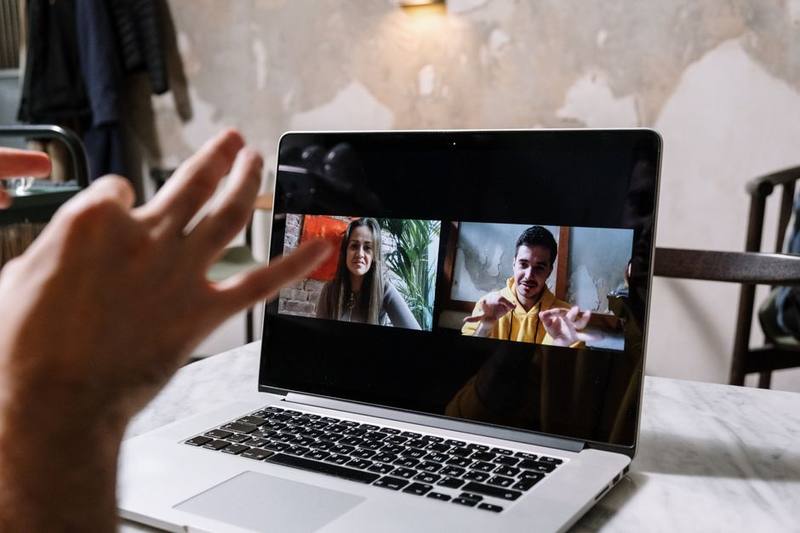
Video calls, while providing more communication richness than text alone, come with their own etiquette considerations, including appropriate camera use, minimizing distracting background activity, and being mindful of speaking turns in a format that can make natural conversation flow more challenging than in-person interaction allows.
Camera-on norms vary by team and culture, though generally supporting some visual connection helps maintain the relational elements that pure audio or text communication can’t fully replicate, while also respecting that constant camera-on expectations can create genuine fatigue worth acknowledging and accommodating reasonably within team norms and expectations.
Addressing Common Remote Communication Breakdowns
Text-based communication lacks the tone and nonverbal cues that help convey intent in person, making misinterpretation more common in remote settings, particularly for messages that could be read as more curt or critical than intended without accompanying vocal tone or facial expression to soften or clarify meaning. Being mindful of this limitation and erring toward slightly more explicit, warmer language helps prevent unintended miscommunication.
When misunderstandings do occur, moving to a richer communication channel—voice or video call rather than continued text exchange—typically resolves confusion more efficiently than attempting to clarify an already-misunderstood text exchange through additional written messages that carry the same interpretation risks as the original miscommunication.
Managing Time Zone Differences Effectively
Distributed teams spanning multiple time zones require particular attention to meeting scheduling fairness, ensuring the burden of inconvenient meeting times doesn’t consistently fall on the same team members, and building in reasonable response time expectations that account for genuine time zone differences rather than assuming immediate availability regardless of local time for any team member.
Documenting decisions and discussions thoroughly, recognizing that team members in different time zones may need to catch up asynchronously on discussions that happened during their off-hours, ensures everyone can stay genuinely informed despite not being able to participate in every real-time discussion or decision-making conversation.
Building Psychological Safety in Remote Settings
Psychological safety, the sense that team members can express concerns or take interpersonal risks without fear of negative consequences, requires particular intentional attention in remote settings where the informal relationship-building that supports this safety in person happens less naturally and automatically without deliberate structure and effort.
Leaders modeling vulnerability and openness in remote communication, explicitly inviting dissenting opinions, and responding constructively to concerns or mistakes shared virtually all contribute to building this psychological safety despite the additional challenge that physical distance and reduced informal interaction can create for these important team dynamics.
Documentation and Knowledge Sharing Practices
Remote and hybrid teams benefit particularly from strong documentation practices, since information that might be shared casually in person needs more deliberate capture and sharing to reach all team members regardless of their specific location or working hours and schedule overlap with colleagues.
Building a searchable, well-organized knowledge base for team processes, decisions, and important information reduces the repeated questions and lost context that can otherwise plague distributed teams lacking strong documentation habits and centralized, accessible information storage and organization systems.
Onboarding New Team Members Remotely
Remote onboarding presents particular communication challenges, since new team members miss the informal absorption of team norms and unwritten expectations that naturally occurs through physical presence and casual observation in traditional office environments. Deliberately documenting these often-unwritten norms and providing structured introduction to team communication patterns helps address this gap for new remote team members.
Assigning a specific onboarding buddy or mentor, available for informal questions that new team members might otherwise hesitate to raise in more formal channels, helps recreate some of the casual knowledge transfer that happens naturally in person but requires more intentional structure in remote settings lacking this natural, informal interaction opportunity.
Feedback and Performance Conversations Remotely
Delivering feedback and conducting performance conversations remotely requires particular care, since the reduced nonverbal cues and increased potential for miscommunication that affect general remote communication apply with even greater stakes to these genuinely sensitive, important conversations affecting someone’s professional development and standing.
Using video rather than text for these conversations, providing adequate context and specific examples, and following up in writing to confirm mutual understanding all help ensure feedback lands as intended despite the communication challenges that remote settings can introduce to these already inherently sensitive workplace interactions and discussions that carry real consequences for someone’s professional trajectory and confidence.
Continuous Improvement in Team Communication Practices
Team communication norms benefit from periodic explicit discussion and refinement, rather than assuming initial agreements remain permanently optimal as team composition, tools, and circumstances evolve over time. Regular retrospective conversations specifically about communication effectiveness help teams identify and address friction points before they become significant, entrenched problems that are harder to resolve once they’ve become deeply ingrained habits across the entire team.
Cross-Cultural Communication Considerations
Global distributed teams often span not just time zones but genuinely different cultural communication norms, including varying comfort levels with direct feedback, different expectations around hierarchy and formality, and distinct preferences for written versus verbal communication that can create friction when team members assume their own cultural norms are universal rather than one valid approach among several.
Taking time to understand and explicitly discuss these cultural differences, rather than assuming everyone shares identical communication preferences and expectations, helps distributed international teams build genuinely inclusive communication practices that accommodate this real diversity rather than defaulting to whichever cultural norm happens to be most represented in leadership or the team’s founding members.
Conclusion
Effective communication in remote and hybrid teams requires more intentional structure than traditional in-person communication, given the absence of natural cues and casual interaction opportunities that physical proximity provides automatically. Choosing appropriate channels, writing complete asynchronous messages, maintaining team connection deliberately, and following video call best practices all contribute to genuinely effective distributed team communication. Addressing time zone challenges fairly and building strong documentation practices further support teams working effectively despite physical distance and varied working arrangements across different locations and schedules.
FAQs
1. Should all remote team communication happen via video call?
No, matching channel to purpose works better, reserving video for complex or sensitive discussions while using text or async tools for simpler, more straightforward communication needs.
2. How do I prevent misunderstandings in text-based communication?
Use clear, complete messages with sufficient context, and move to richer channels like voice or video when misunderstandings occur rather than continuing text-based clarification attempts.
3. Is it necessary to have cameras on for all video calls?
Not necessarily universal, though some visual connection generally supports relational elements, while reasonable accommodation for camera fatigue also matters for sustainable team norms.
4. How can distributed teams build genuine connection despite distance?
Intentional structured opportunities for informal interaction, like virtual coffee chats or occasional in-person gatherings when feasible, help recreate connection that casual office interaction previously provided.
5. What’s the biggest communication challenge for time zone-distributed teams?
Ensuring fair distribution of inconvenient meeting times and maintaining thorough documentation so team members can stay informed despite missing real-time discussions during their off-hours.