Introduction
Many professionals treat breaks as optional indulgences to be minimized or eliminated entirely during busy periods, viewing continuous work as inherently more productive than work interspersed with regular rest periods. Research on cognitive performance and sustained attention consistently contradicts this assumption, showing that strategic breaks genuinely improve overall productivity and work quality rather than simply representing lost time that could otherwise be spent working continuously. This guide walks through the science behind why breaks improve productivity, different break types and their specific benefits, timing breaks effectively throughout a workday, avoiding counterproductive break habits, and building a sustainable break practice into your regular work routine. The goal is helping you understand and implement breaks as a genuine productivity tool rather than treating them as guilty indulgences to minimize whenever possible.
Strategic breaks aren’t time stolen from productive work—they’re an essential component of sustained cognitive performance that genuinely improves overall output quality and quantity across a full workday.
The Science Behind Why Breaks Improve Performance
Sustained attention on any single task naturally depletes over time, with cognitive performance measurably declining after extended periods of continuous focus without adequate rest, a phenomenon well-documented across numerous studies of attention and cognitive fatigue. Brief breaks allow this depleted attention capacity to partially restore, supporting renewed focus and performance upon returning to work.
Beyond simple attention restoration, breaks also support creative problem-solving and insight generation, since stepping away from a problem often allows background cognitive processing that can produce solutions or perspectives that continuous, focused effort on the same problem sometimes fails to generate through sheer persistent effort alone.
Different Break Types and Their Specific Benefits
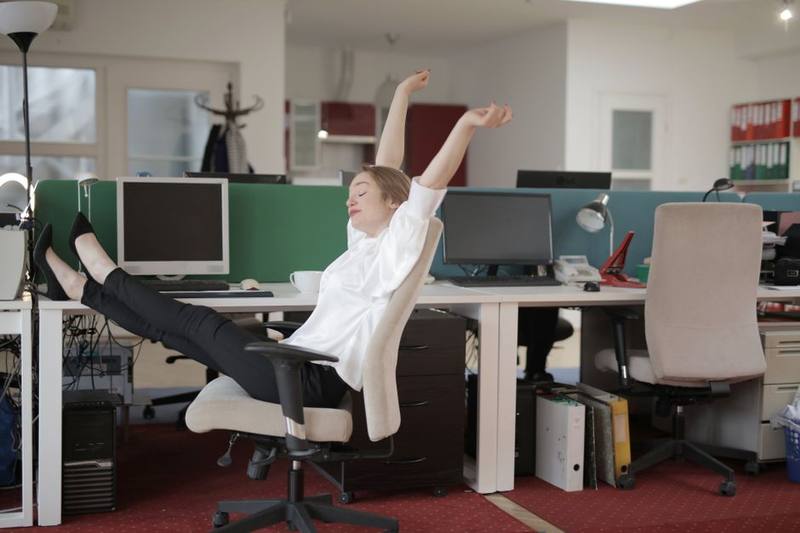
Micro-breaks, lasting just a minute or two, provide brief attention restoration without significantly disrupting work flow, useful for maintaining sustained performance during longer work sessions without requiring substantial time investment. Simply looking away from your screen, stretching briefly, or taking a few deep breaths can provide this micro-restoration benefit.
Longer breaks, ranging from ten to thirty minutes, provide more substantial restoration, particularly valuable after intensive cognitive work or before transitioning to a different type of task requiring fresh mental resources. These longer breaks work particularly well when they involve genuinely different activity from your work, like physical movement or a completely unrelated mental task.
Timing Breaks Effectively Throughout Your Workday
Rather than waiting until you feel completely depleted to take a break, proactive break scheduling, perhaps every ninety minutes to two hours during focused work, prevents the more severe attention depletion that waiting too long between breaks commonly causes. This proactive approach maintains more consistent performance throughout the day compared to reactive breaking only after significant fatigue has already accumulated.
Natural transition points—between different tasks or projects—provide convenient, low-friction break timing that doesn’t require interrupting deep engagement with a specific task, making these transition moments particularly efficient opportunities for building regular breaks into your existing workflow without feeling like arbitrary interruptions.
Activities That Provide Genuine Restoration
Physical movement during breaks, even brief walking, provides more restorative benefit than remaining seated while simply shifting attention to a different screen-based activity like social media, since movement itself contributes additional cognitive and physical benefits beyond simple attention shifting alone. This makes movement-based breaks particularly valuable when feasible within your specific work environment.
Exposure to natural light and outdoor environments during breaks, when possible, provides additional restorative benefit beyond indoor breaks alone, supported by research on nature exposure’s positive effects on cognitive restoration and mood, making outdoor breaks worth prioritizing when your work environment and schedule allow this option.
Avoiding Counterproductive Break Habits
Breaks spent on cognitively demanding activities, like intensive social media scrolling or engaging in stressful personal communications, often fail to provide genuine restoration despite technically stepping away from work tasks, since these activities can be equally or more cognitively taxing than the work itself. Genuinely restorative breaks typically involve activities meaningfully different from your work’s cognitive demands.
Breaks that extend considerably longer than intended, particularly when involving engaging entertainment content, can undermine overall productivity if they consistently derail planned work schedules, suggesting some intentional boundaries around break duration and content help maintain the genuine productivity benefits that appropriately timed, appropriately durationed breaks provide.
Building Breaks Into Your Work Culture
Organizational cultures that implicitly discourage breaks, whether through visible busy-ness expectations or simply the absence of modeling healthy break-taking from leadership, can undermine individual efforts to maintain a sustainable break practice despite genuine personal understanding of its benefits. Advocating for and modeling healthy break culture, particularly for those in leadership positions, supports broader organizational benefit beyond individual practice alone.
For individual contributors in cultures that don’t explicitly support regular breaks, finding subtle ways to maintain personal break practices, perhaps through brief walks framed as needed movement rather than explicitly labeled breaks, can help maintain personal wellbeing within organizational cultures not yet fully supportive of visible, explicit break-taking practices.
Breaks and Long-Term Sustainability
Beyond immediate productivity benefits, regular break practices support longer-term sustainability, preventing the cumulative fatigue and eventual burnout that consistently working without adequate rest periods commonly produces over extended periods of sustained, unrelieved work demands and pressure. This long-term perspective provides additional motivation for break practices beyond immediate task performance alone.
Viewing breaks as an investment in sustained long-term performance and wellbeing, rather than simply lost productive time, reframes their value in a way that supports more consistent implementation despite short-term pressure to skip breaks during particularly demanding work periods or deadline pressure.
Breaks for Different Work Types
The ideal break pattern varies somewhat based on your specific work type, with highly cognitively demanding creative or analytical work generally benefiting from more frequent breaks than more routine, less mentally taxing tasks that can often be sustained for longer periods before genuine attention depletion occurs and restoration becomes necessary.
Physically demanding work similarly requires different break considerations than purely cognitive work, with physical rest and recovery mattering alongside mental attention restoration, suggesting break strategies should account for your specific work’s actual demands rather than applying identical break patterns regardless of genuinely different underlying work characteristics and requirements.
Social Breaks and Their Unique Value
Breaks involving genuine social interaction with colleagues, distinct from solitary rest breaks, provide additional relationship-building and psychological benefit beyond pure cognitive restoration alone, contributing to workplace connection and support that purely individual break activities don’t equally provide despite their own restoration value.
Balancing social and solitary breaks based on your own personality and specific restoration needs, rather than assuming one type is universally superior, helps you build a break practice genuinely suited to your individual preferences and what actually leaves you feeling restored rather than following generic advice that doesn’t account for introversion or extroversion differences in restoration needs and personal energy patterns throughout a typical workday.
Final Perspective on Break Culture
Shifting personal and organizational mindset around breaks, from viewing them as unproductive time to recognizing them as genuine productivity infrastructure, represents perhaps the most important overall takeaway for lasting behavior change in this area. This reframing, more than any specific technique, ultimately determines whether break practices become sustainable, valued habits or continued sources of guilt and inconsistent implementation across an entire career and working life.
Break Practices Across Different Career Stages
Early-career professionals sometimes feel particular pressure to skip breaks in order to demonstrate dedication and work ethic to colleagues and supervisors, when in reality sustainable break practices support the long-term performance and career longevity that genuinely impresses over time far more than short-term visible busy-ness ever could on its own.
More senior professionals, meanwhile, often have greater ability to model and normalize healthy break culture for those they supervise, making their own consistent break practices a meaningful contribution to broader organizational culture beyond just personal benefit, since junior colleagues frequently take cues from senior team members about what behaviors are genuinely acceptable and valued within a given workplace.
Conclusion
Strategic breaks genuinely improve productivity and work quality rather than representing lost time better spent on continuous work, supported by consistent research on attention restoration and cognitive performance. Understanding different break types, timing them proactively rather than reactively, and choosing genuinely restorative activities all contribute to breaks that meaningfully support rather than undermine your work. Building sustainable break practices, even within organizational cultures not fully supportive of explicit break-taking, provides both immediate productivity benefits and longer-term protection against burnout and cumulative fatigue.
FAQs
1. How often should I take breaks during focused work?
Every ninety minutes to two hours for longer breaks, with brief micro-breaks more frequently, though individual optimal timing varies based on personal attention patterns and task demands.
2. Is scrolling social media a genuinely restorative break activity?
Often not as restorative as it feels, since this activity can be cognitively demanding in different ways, potentially failing to provide genuine attention restoration compared to more different activities.
3. Should breaks always involve physical movement?
Not strictly necessary, though movement generally provides additional restorative benefit compared to purely passive, seated breaks involving simply different screen-based content.
4. How do I take breaks in a workplace culture that discourages them?
Consider subtle approaches like brief walks framed as needed movement, while also advocating for healthier break culture where you have genuine influence to do so.
5. Can breaks actually help with creative problem-solving?
Yes, research suggests stepping away from problems allows background cognitive processing that can produce insights continuous, focused effort sometimes fails to generate alone.